
Choosing between a 4WD (Four-Wheel Drive) and a 2WD (Two-Wheel Drive) tractor is a key decision for farmers planning their equipment investment in 2026. Each drivetrain has its own strengths, and the right choice depends on terrain, workload, and farming practices. Understanding the differences helps farmers improve productivity, control costs, and select machinery that delivers long-term value.
What Is a 2WD Tractor?
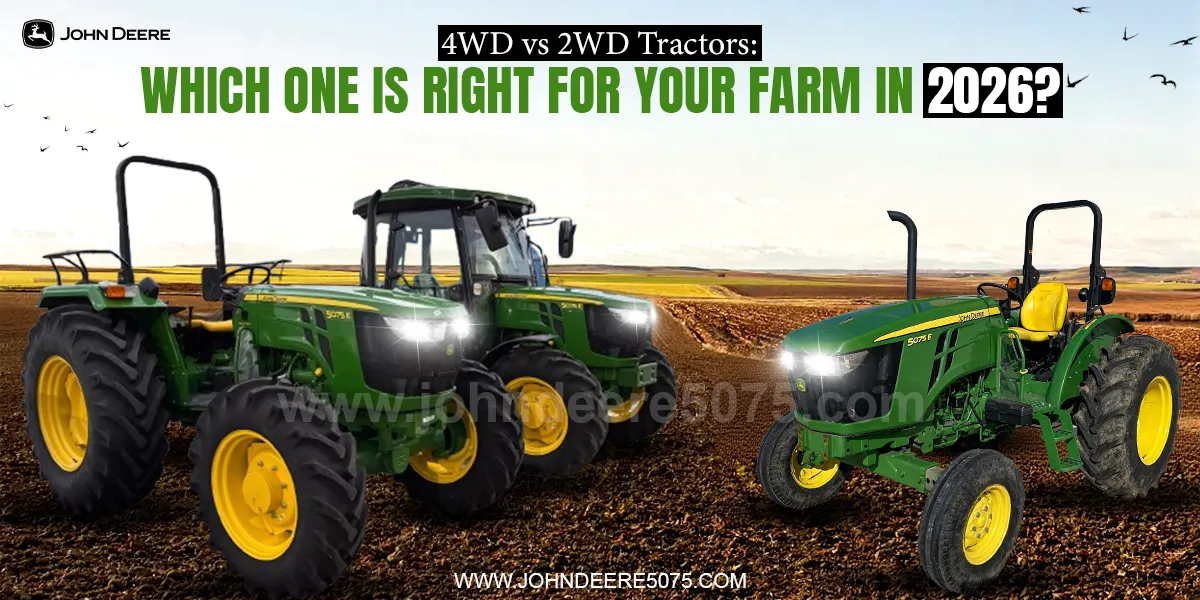
A 2WD tractor transfers engine power to the rear wheels only, while the front wheels are used mainly for steering. This traditional design has been widely used in agriculture for decades.
Key Characteristics
- Lightweight construction
- Simple mechanical system
- Lower purchase and maintenance cost
2WD tractors are commonly used for routine farming operations where traction demands are moderate.
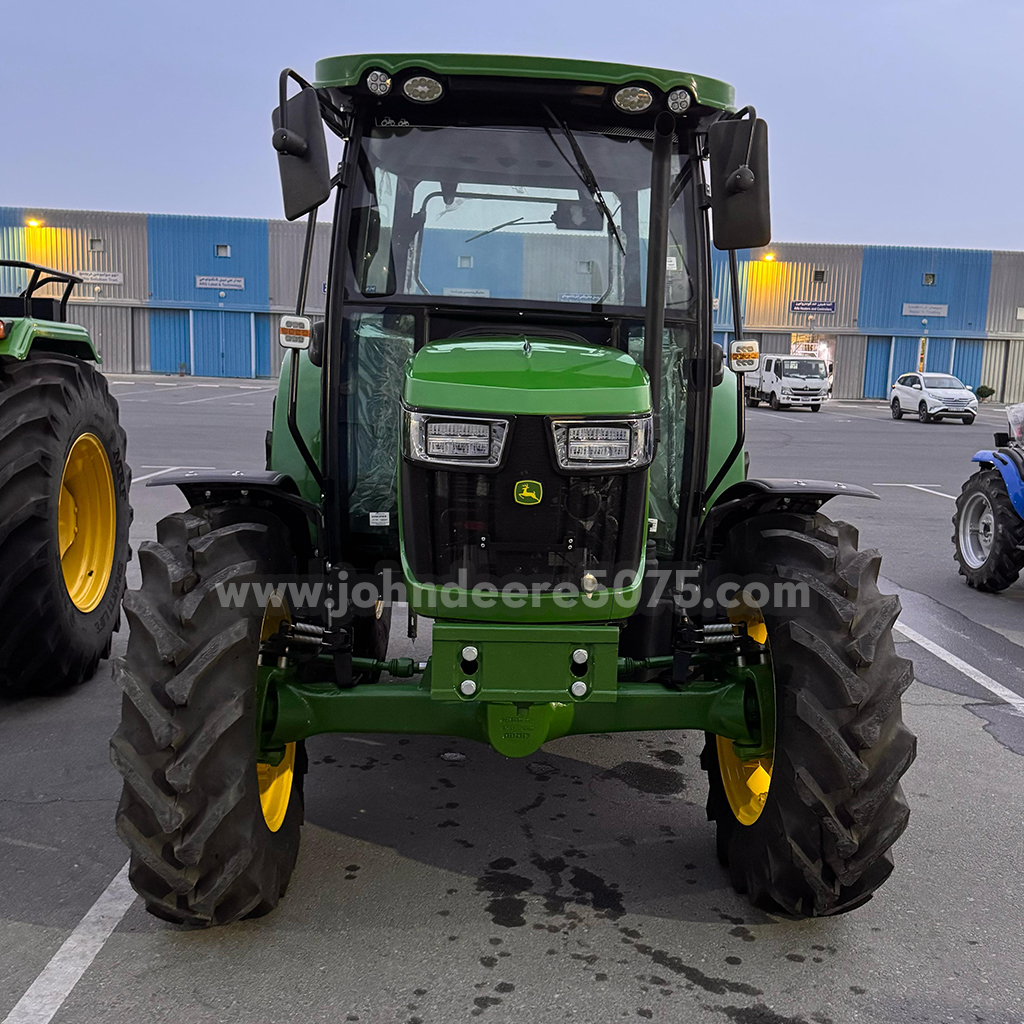
What Is a 4WD Tractor?
Key Characteristics
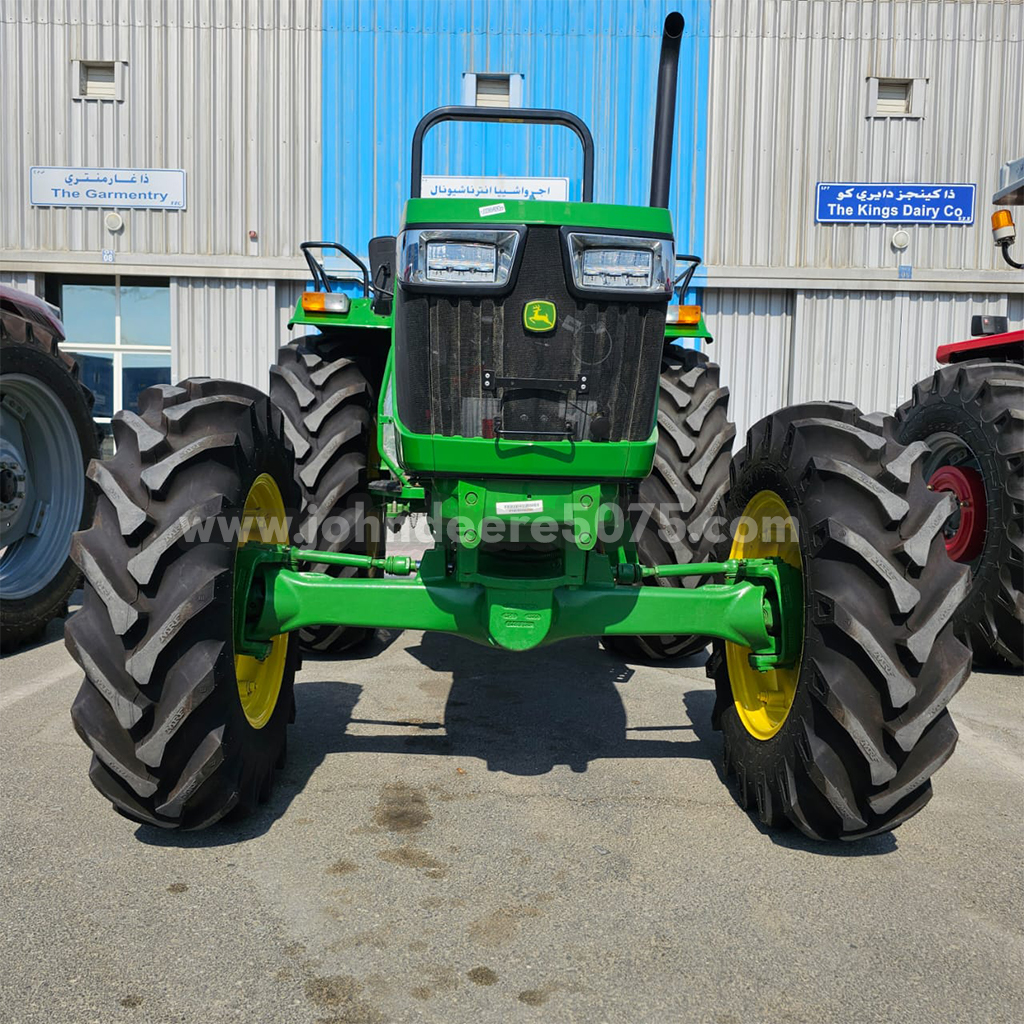
- Enhanced grip on soil
- Better balance and pulling power
- Suitable for demanding workloads
Key Differences Between 4WD and 2WD Tractors
Traction & Stability
- 2WD tractors perform best on dry, flat land
- 4WD tractors offer superior traction on wet, uneven, or sloped fields
Fuel Efficiency
- 2WD tractors generally consume less fuel during light operations
- 4WD tractors may use slightly more fuel but deliver better efficiency under heavy loads
Cost & Investment
- 2WD tractors have a lower initial purchase cost
- 4WD tractors require a higher upfront investment but offer greater capability and productivity
Maintenance
- 2WD tractors are easier and cheaper to maintain
- 4WD tractors have more drivetrain components, requiring slightly higher maintenance
When a 2WD Tractor Makes Sense
A 2WD tractor is a practical choice if:
- Your farmland is mostly flat and dry.
- Farming operations involve light to medium tasks.
- Budget control is a major priority.
- You need a reliable tractor for transport, sowing, or basic tillage.
For many small and medium farms, a 2WD tractor continues to offer excellent value.
When a 4WD Tractor Is the Better Choice
A 4WD tractor is better suited if:
- Your fields include slopes, soft soil, or uneven terrain.
- You regularly use heavy implements.
- Farming operations continue during wet seasons.
- You want improved traction and reduced wheel slippage.
In these conditions, 4WD tractors help complete tasks faster and more efficiently.
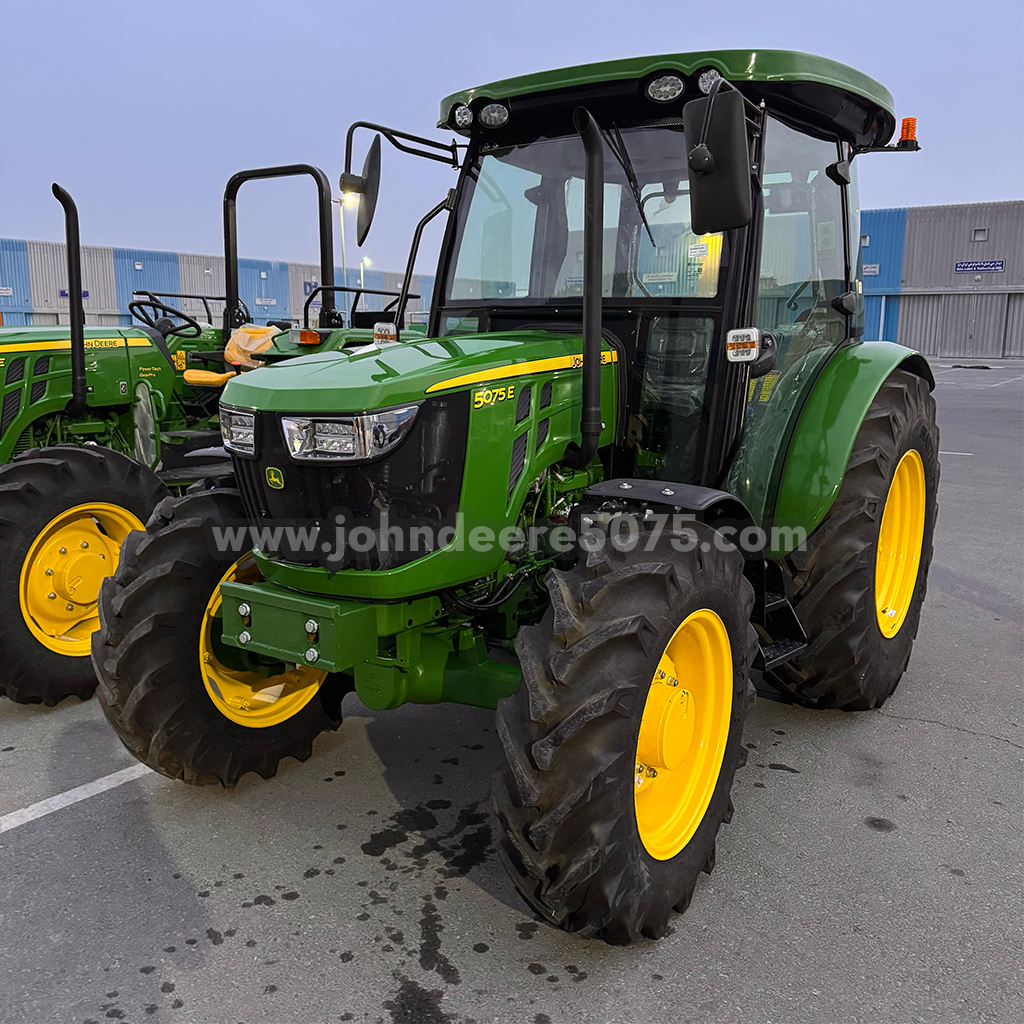
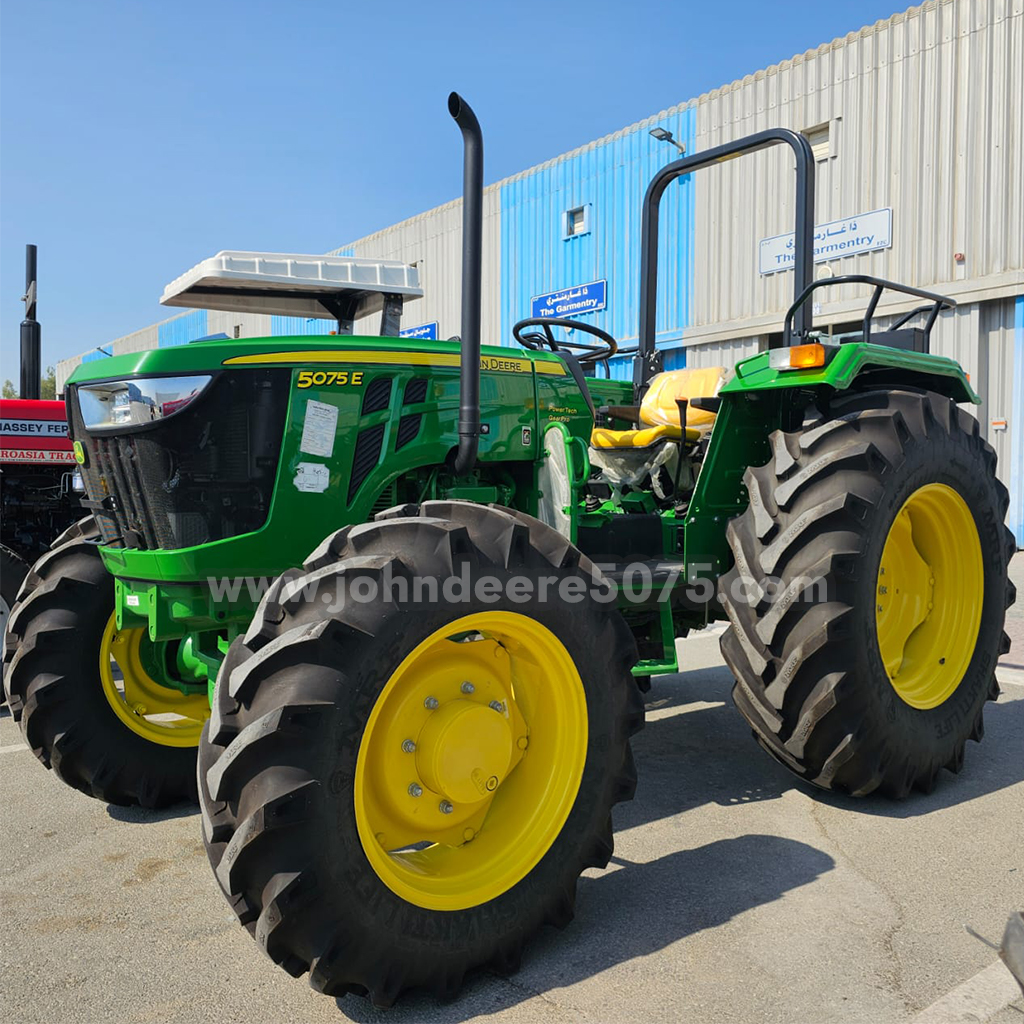
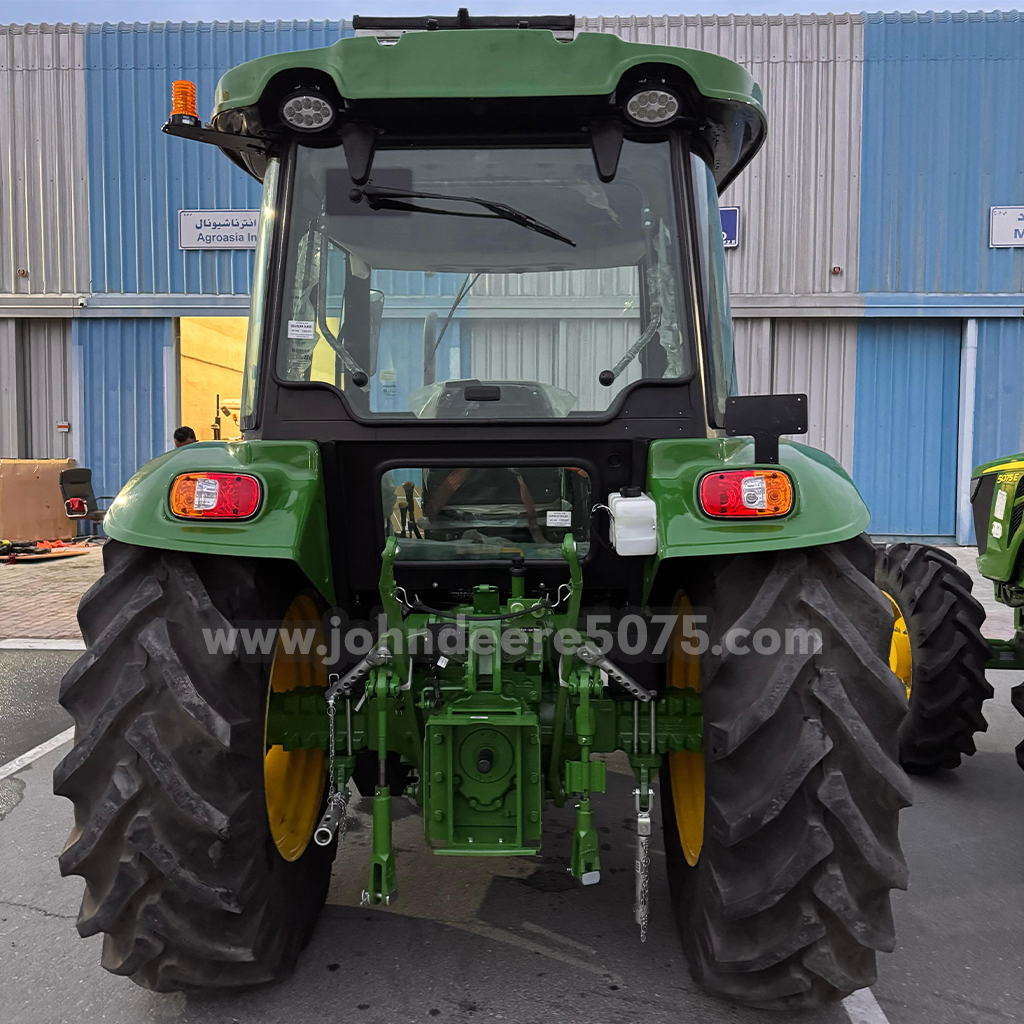
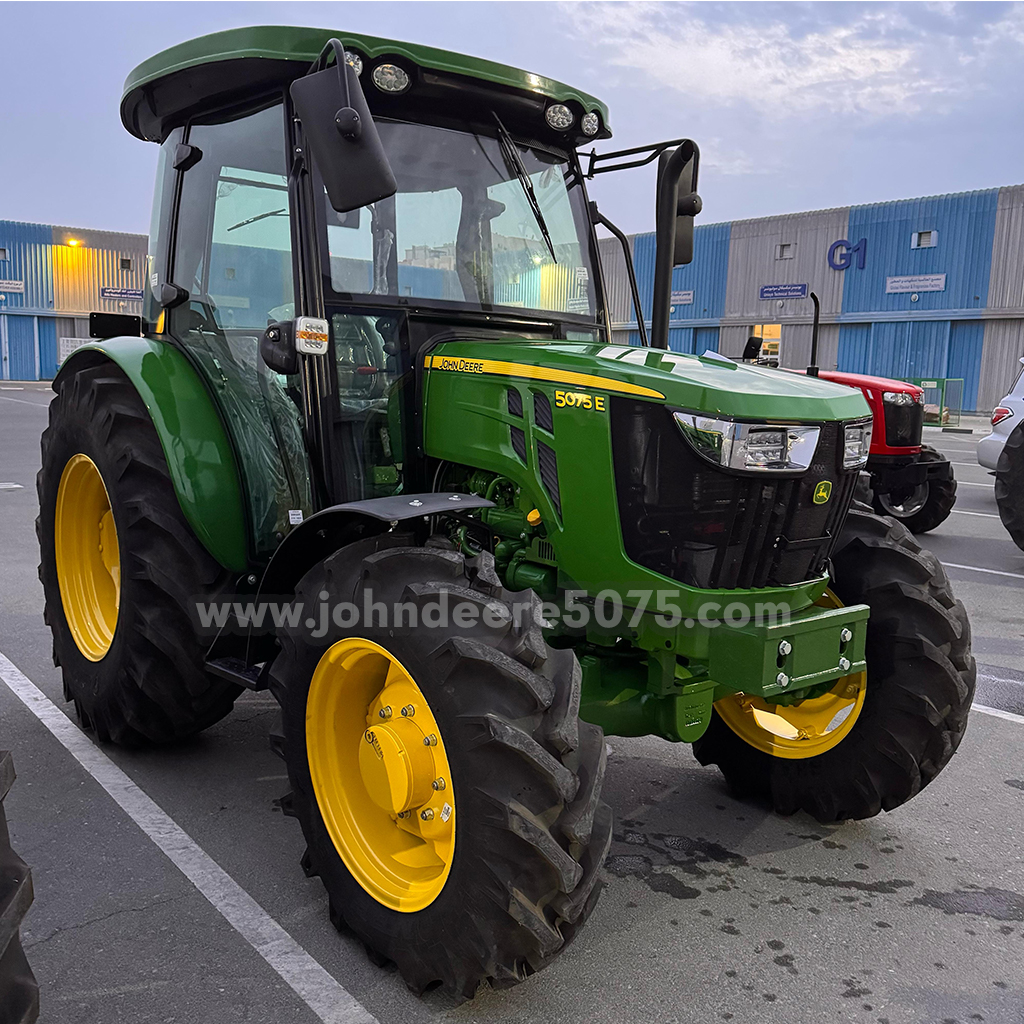
Impact on Farming Productivity
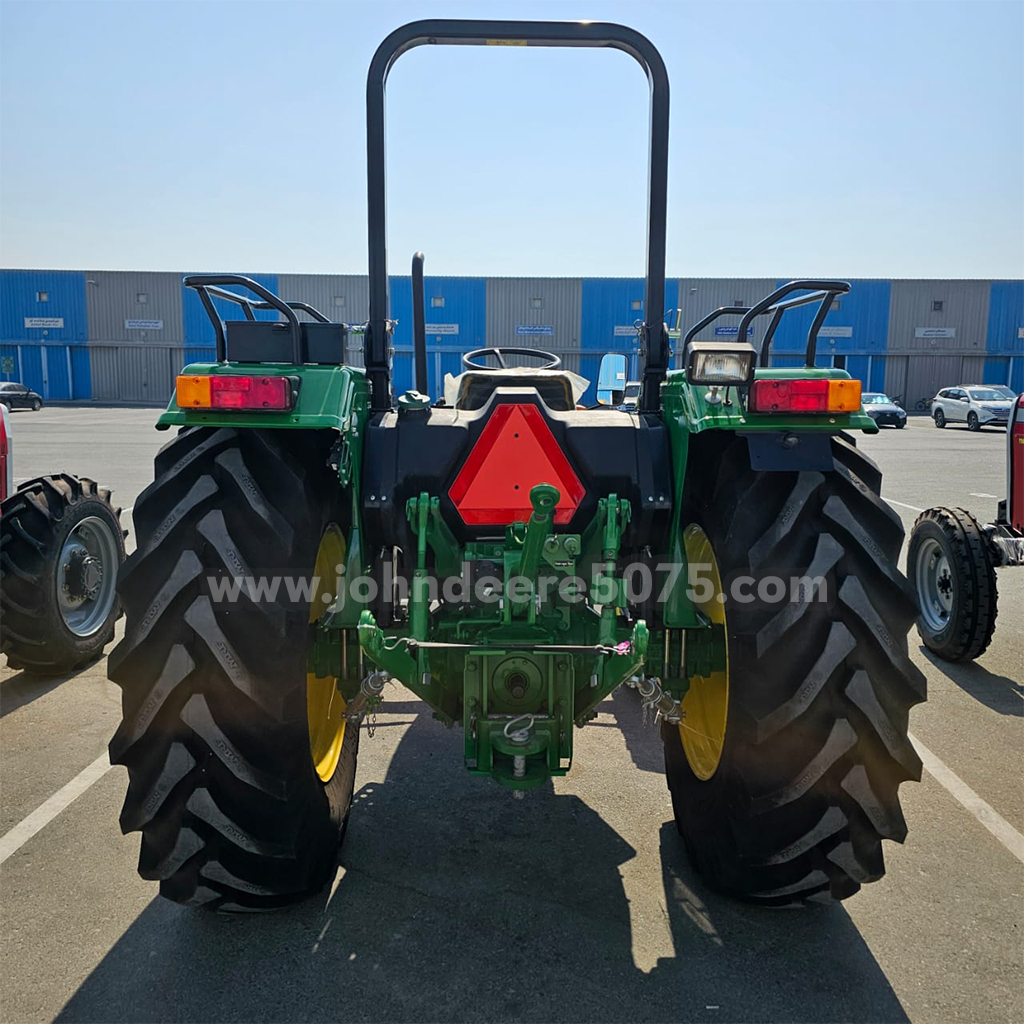
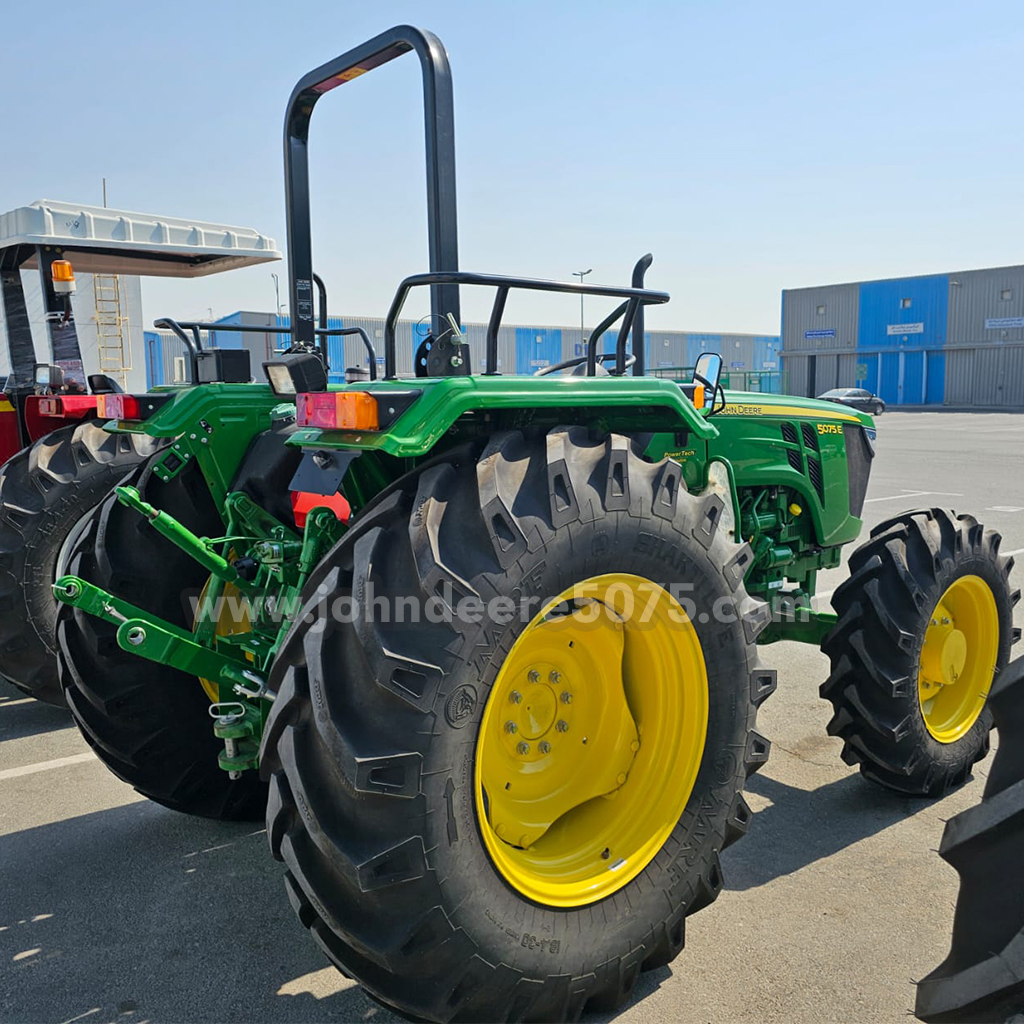
The drivetrain directly affects:
- Work speed and field coverage
- Soil grip and traction
- Fuel use under load
- Operator control and safety
Selecting the right drivetrain improves overall farm efficiency and reduces unnecessary strain on the tractor.
Long-Term Value Considerations
Conclusion: Making the Right Choice in 2026
Both 4WD and 2WD tractors remain relevant in modern agriculture. A 2WD tractor is ideal for simpler, cost-effective operations, while a 4WD tractor offers enhanced power, traction, and versatility for demanding farm work.
The best choice depends on your specific farming needs. Understanding these differences ensures you invest in a tractor that supports productivity, efficiency, and long-term success in 2026.